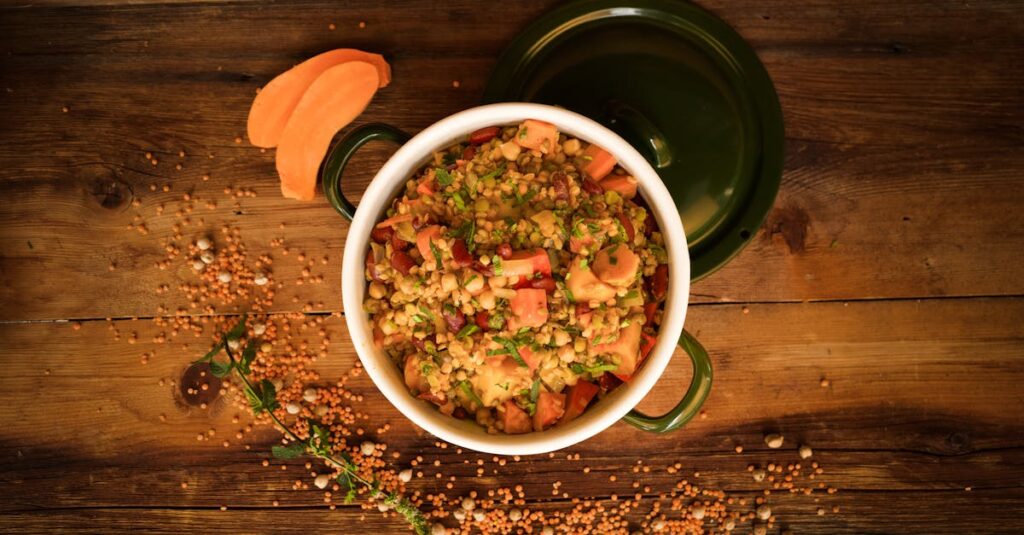
In a world where salads often get all the glory, vegetable casseroles quietly steal the show with their cozy charm and nutritious flair. Who knew that mixing a bunch of veggies could lead to a dish that’s not just healthy but also a crowd-pleaser? With the right blend of ingredients, these casseroles can transform even the pickiest eaters into veggie enthusiasts.
Table of Contents
ToggleOverview Of Healthy Vegetable Casserole Recipes
Healthy vegetable casserole recipes offer a delicious way to enjoy a variety of nutrient-rich ingredients. These dishes typically feature a medley of vegetables, legumes, and whole grains, providing essential vitamins and minerals. Popular choices often include broccoli, spinach, carrots, and bell peppers, which add vibrant colors and diverse flavors.
Casseroles serve as an ideal platform for creativity. Chefs can incorporate different spices and herbs to enhance taste and appeal. For instance, mixing in garlic, thyme, or basil can transform a simple vegetable base into a savory masterpiece. Adding protein sources like beans or lentils boosts the nutritional profile and adds heartiness to the dish.
Baking techniques play an important role in achieving optimal texture. Cooking vegetables at the right temperature ensures they retain their crunch while developing rich flavors. Covering casseroles allows for steam to circulate, promoting even cooking and moisture retention.
Meal prep becomes more manageable with vegetable casseroles. These dishes can be prepared in advance, making weeknight dinners convenient. Serving sizes can also be adjusted, catering to families or larger gatherings.
Healthy vegetable casseroles not only satisfy cravings but also promote overall well-being. They can reduce the intake of processed foods and sugar-laden options. Preparing them at home gives better control over ingredients, which supports dietary preferences and restrictions.
Ultimately, healthy vegetable casserole recipes represent a flexible, nutritious option for any meal. They appeal to diverse taste buds, making it easier for individuals to incorporate vegetables into their diets.
Benefits Of Healthy Vegetable Casserole
Healthy vegetable casseroles offer numerous advantages that contribute to overall wellness. They serve as a satisfying meal option while delivering essential nutrients.
Nutritional Advantages
Vegetable casseroles provide a powerhouse of vitamins and minerals. Ingredients like broccoli, spinach, and carrots supply fiber, which aids digestion and promotes satiety. Antioxidants found in colorful vegetables support immune health. Including protein sources such as beans or lentils enhances the dish’s nutritional profile. These components collectively help manage weight and lower the risk of chronic diseases. Research indicates that a diet rich in plant-based foods can lead to improved heart health and better metabolic function.
Versatility In Ingredients
Casseroles allow for endless ingredient combinations that cater to various tastes and dietary preferences. One can layer different vegetables like bell peppers, zucchini, and sweet potatoes to create unique flavor profiles. Adding whole grains such as quinoa or brown rice can turn a simple dish into a satisfying meal. Herbs and spices can elevate the taste, making each casserole distinct. Moreover, this flexibility accommodates seasonal ingredients, promoting freshness and cost-effectiveness. Families appreciate how easy it is to customize these recipes, ensuring there’s something for everyone.
Popular Healthy Vegetable Casserole Recipes
Healthy vegetable casseroles provide versatility and flavor. Here are three popular recipes that highlight nutrient-rich ingredients.
Recipe 1: Mediterranean Vegetable Casserole
This recipe blends zucchini, eggplant, and bell peppers for a Mediterranean touch. Chopped tomatoes and olives add a burst of flavor, while feta cheese brings creaminess. Layer the vegetables in a baking dish, sprinkling herbs like oregano and basil for added aroma. Bake until tender, achieving a delicious, inviting texture. This casserole not only delights the taste buds but also supplies antioxidants and healthy fats.
Recipe 2: Cheesy Broccoli and Cauliflower Casserole
Start with fresh broccoli and cauliflower for this savory dish. A light cheese sauce, made from low-fat yogurt and shredded cheese, creates a rich mouthfeel. Combine the vegetables with the sauce, then top with breadcrumbs for a satisfying crunch. Bake until bubbly and golden brown, ensuring flavors meld beautifully. This casserole functions as a nutrient powerhouse, offering fiber and calcium.
Recipe 3: Sweet Potato and Black Bean Casserole
Sweet potatoes and black beans make this dish both hearty and nourishing. Incorporating spices like cumin and chili powder enhances the warmth and depth. Layer sliced sweet potatoes with black beans in a casserole dish, adding corn for sweetness and texture. Bake until the sweet potatoes soften and flavors marry harmoniously. This recipe serves as a great source of complex carbohydrates and protein, providing substantial energy.
Tips For Making The Perfect Casserole
Perfecting a vegetable casserole involves thoughtful ingredient selection and effective cooking techniques.
Ingredient Selection
Prioritize fresh, seasonal vegetables for vibrant flavors and nutrients. Choose ingredients like spinach, bell peppers, and zucchini that complement each other. Incorporate legumes such as lentils or beans for added protein and fiber. Consider using whole grains like brown rice or quinoa for a hearty base. Ensure a mix of textures by including crunchy and soft elements. Selection of herbs and spices also plays a vital role; fresh basil or thyme can enhance the overall taste. Opt for low-sodium broths or sauces to keep it healthy. Finally, ensure your cheese, if used, is low-fat to maintain nutritional value without sacrificing flavor.
Cooking Techniques
Opt for sautéing vegetables first to enhance their flavors before baking. Layer the ingredients for even cooking and presentation. Use a covered dish during the first part of baking to retain moisture. Baking at moderate temperatures between 350°F and 375°F ensures even cooking while preventing drying out. Stir occasionally during cooking for uniform heat distribution. Consider adding a topping like whole-grain breadcrumbs for added crunch. Utilize a food thermometer to check for proper cooking, keeping the internal temperature above 165°F. These techniques help achieve a satisfying texture and rich flavors, ensuring your casserole is a hit at the dinner table.
Healthy vegetable casseroles offer a delicious way to enjoy a variety of nutrients while satisfying taste buds. With their comforting nature and versatility, these dishes can easily adapt to any dietary preference. By incorporating seasonal ingredients and experimenting with flavors, anyone can create a nutritious meal that appeals to the whole family.
The convenience of preparing casseroles in advance makes them an ideal choice for busy weeknights. Embracing these wholesome recipes not only promotes better eating habits but also fosters creativity in the kitchen. Whether it’s a Mediterranean blend or a hearty sweet potato dish, healthy vegetable casseroles are sure to become a staple for anyone looking to enhance their diet.